Sampoerna A Mild vs Signature Mild: The Ultimate Battle of Smoothness
Can a legend ever truly be dethroned by a modern challenger in the high-stakes world of Indonesian tobacco? For decades, the Low Tar Low Nicotine (LTLN) market has been dominated by a single name that redefined smoking habits across the archipelago, yet recent innovations have introduced formidable rivals. The debate surrounding sampoerna a mild vs signature mild is not merely about preference; it is about the evolution of the smoking experience in a culture that prizes both tradition and modern refinement. Smokers often find themselves at a crossroads between the established pioneer and the robust newcomer from Kediri. This article explores the intricate details of both brands to determine which cigarette truly captures the essence of the contemporary LTLN category.
The Rise of LTLN in Indonesia
The Indonesian cigarette market underwent a seismic shift in the late 1980s when the concept of ‘Mild’ cigarettes was first introduced. Before this era, the market was almost entirely comprised of full-flavor, high-tar kreteks that provided a heavy throat hit and intense spice. The introduction of lighter alternatives was met with skepticism initially, but it quickly gained traction among urban professionals and younger demographics who sought a cleaner, more sophisticated smoking experience. This cultural pivot created a void that both Sampoerna and Gudang Garam eventually sought to fill with their respective flagship mild products.
Understanding the context of this shift requires looking at how social dynamics influenced smoking. As health consciousness grew alongside a desire for social cigarettes that didn’t leave a heavy lingering scent, the demand for LTLN products skyrocketed. The engineering behind these cigarettes involved advanced laser-perforated filters and specific tobacco-to-clove ratios designed to reduce delivery without sacrificing the iconic kretek aroma. This technical evolution set the stage for the rivalry we see today, where every milligram of tar and nicotine is precisely calibrated for consumer satisfaction.
Cultural acceptance of mild cigarettes also reflected a broader modernization of Indonesia. While the traditional hand-rolled cigarette remained a staple of rural life, the sleek, machine-made mild white sticks became symbols of progress and urbanity. The branding strategies employed by these companies moved away from the rugged imagery of the past toward lifestyle-oriented marketing. This transition was not just about the product itself but about the identity the smoker projected, making the choice between brands a significant personal statement.
Comparing Flavor Profiles and Smoke Quality
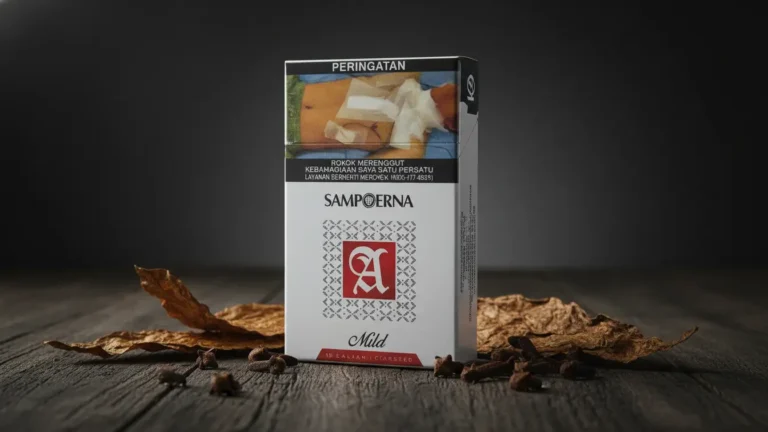
When analyzing the sensory experience, the primary distinction lies in the ‘sauce’ or the proprietary blend of flavors used by each manufacturer. In the context of sampoerna a mild vs signature mild, the former is widely recognized for its exceptionally clean and crisp profile. It utilizes a blend that emphasizes the natural sweetness of high-quality tobacco with a subtle hint of spicy cloves that does not overwhelm the palate. The smoke is thin but aromatic, providing a gentle tingle rather than a harsh kick. Many long-term users appreciate this consistency, noting that the aftertaste is minimal and pleasant.
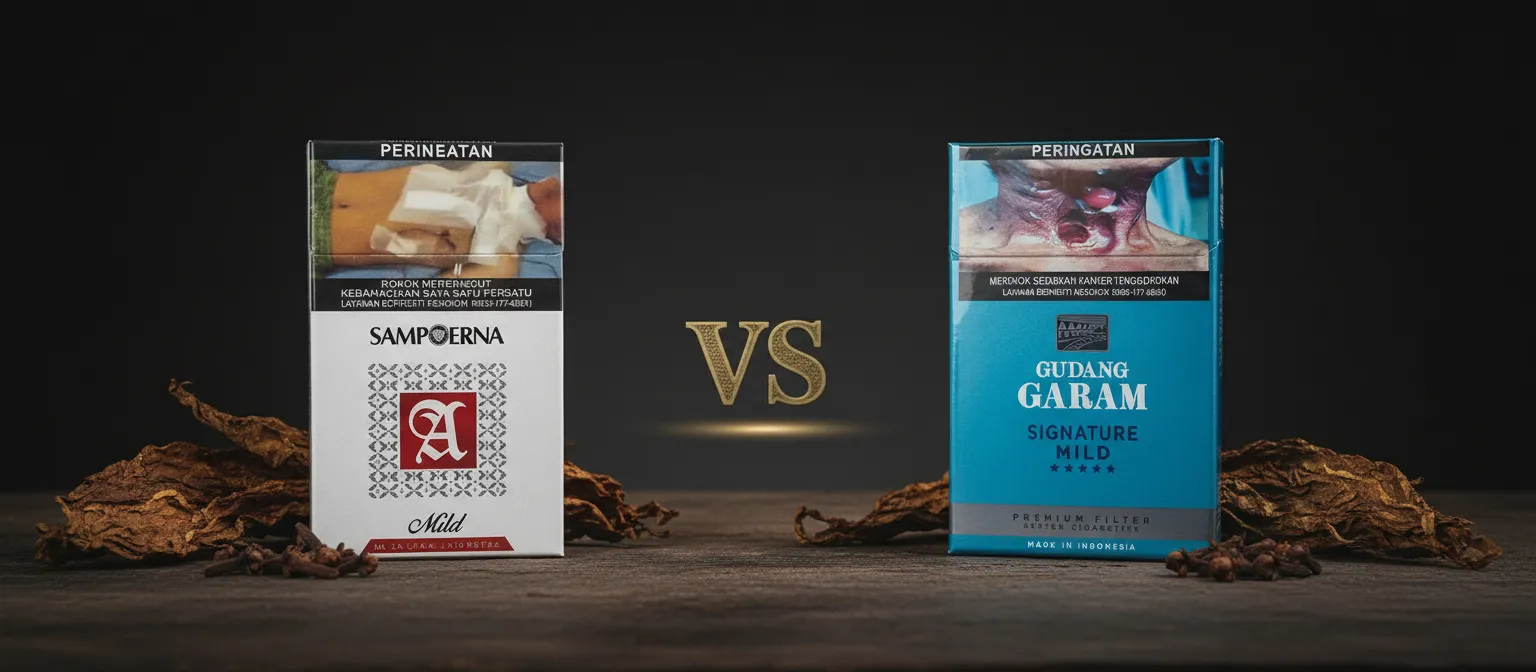
On the other hand, the challenger from the house of Gudang Garam brings a different philosophy to the LTLN segment. While it adheres to the low tar and nicotine limits, it manages to retain a bit more of that signature earthy and savory character associated with its parent brand. According to research on tobacco preferences found at wikipedia.org, the complexity of Indonesian clove cigarettes often depends on the specific aging process of the tobacco leaves used in the blend. The Signature Mild variant feels slightly more substantial in the hand and provides a marginally more pronounced throat hit compared to its competitor.
Consumer feedback often highlights that while the pioneer brand is the ‘safe’ choice for daily social smoking, the rival offers a more flavorful alternative for those who find traditional milds too airy. The cooling sensation and the way the clove oil reacts with the heat differ slightly between the two, leading to varying levels of mouth-watering sweetness. Ultimately, the comparison boils down to whether a smoker prefers a minimalist, refined taste or a more complex, multi-layered aromatic experience within the mild category.

sampoerna a mild vs signature mild: The Technical Breakdown
Technically, both products are masterpieces of machine-rolled kretek (SKM) engineering. To understand the nuances, one must look at the filter technology. The industry leader utilizes a highly sophisticated multi-stage filtration system that has become the gold standard for the industry. You can find the Sampoerna A Mild 16 which showcases this technology, providing a draw that is consistent from the first puff to the last. This consistency is a result of rigorous quality control and the use of premium materials in the paper and filter construction.
In contrast, the competitor offers a slightly different tactile experience. The Gudang Garam Signature line is known for its denser pack, which can lead to a longer burn timea factor often cited by value-conscious smokers. While both are categorized as mild, the internal density of the tobacco and clove mixture affects how the heat travels through the stick. This physical property is why some smokers feel the Signature variant is ‘stronger’ even when the laboratory-measured tar levels are comparable to the competition.
Furthermore, for those seeking an even more specialized experience within this family, the GG Mild serves as another entry point into the world of lighter Indonesian smokes. The technical competition between these brands has driven innovation in moisture retention and aromatic stability. When you leave a pack open, the rate at which the cloves lose their potency can vary, and both companies have invested heavily in foil and packaging technology to ensure the product remains fresh for as long as possible after the seal is broken.
The Economic and Social Impact of the Mild Segment
The economic rivalry between these two giants has significant implications for the Indonesian tobacco industry. As the largest segment of the market, LTLN cigarettes drive the majority of revenue and marketing expenditures. The competition ensures that prices remain competitive while quality continues to improve. From a macro perspective, the shift toward mild cigarettes has also changed the agricultural demands for tobacco and cloves, requiring farmers to produce crops that meet the specific flavor profiles needed for these sophisticated blends. This has led to better farming practices and more stable pricing for raw materials.
Socially, the ‘Mild’ branding has played a crucial role in the normalization of smoking in professional settings. In urban centers like Jakarta and Surabaya, smoking a mild cigarette is often seen as a brief ritual of relaxation during a busy workday. The lighter aroma is less intrusive in shared spaces, allowing for a more communal experience without the overpowering scent of traditional unfiltered kreteks. This social utility is a major reason why the LTLN category continues to grow while other segments face stagnation or decline.
Moreover, the global perception of Indonesian tobacco is often filtered through these specific brands. They represent the modern face of an ancient tradition, blending the 19th-century invention of the kretek with 21st-century manufacturing standards. As these products are exported or sought out by international enthusiasts, they carry with them the reputation of Indonesian craftsmanship. The ongoing battle for dominance between these two brands serves as a catalyst for maintaining the high standards that the world has come to expect from Indonesian clove cigarettes.
Choosing Your Champion in the Modern Era
Deciding which brand to stick with often comes down to the individual smoker’s daily habits and flavor preferences. If you prioritize a legacy of innovation and a flavor profile that is synonymous with the very definition of LTLN, the pioneer remains hard to beat. However, if you are looking for a bit more soul and a hint of the traditional ‘Gudang Garam’ spice in a lighter package, the Signature variant is an excellent choice. Both brands offer a level of quality that is among the best in the world, making it a win-win situation for the consumer.
For those interested in the deeper nuances of how these cigarettes are crafted and the history behind the brands, reading The Ultimate Guide to Indonesian Clove Cigarettes can provide invaluable context. Understanding the heritage of the companies involved helps one appreciate the subtle differences in every puff. Whether it is the choice of cloves from specific regions or the unique fermentation process of the tobacco, there is a wealth of science and art behind every stick.
In the modern era, the availability of these products has also expanded, with digital platforms making it easier for connoisseurs to access their preferred blends. As the market continues to evolve, we can expect even more variants to emerge, perhaps incorporating new capsule technologies or even lighter blends. For now, the showdown between these two icons remains the defining narrative of the Indonesian LTLN market, providing smokers with two distinct but equally exceptional ways to enjoy the unique taste of cloves.
In the final analysis of sampoerna a mild vs signature mild, there is no objective ‘better’ cigarette, only the one that fits your personal profile. The pioneer continues to lead with its unparalleled smoothness and brand prestige, while the challenger offers a robust, flavor-forward alternative that appeals to those who want a bit more character in their smoke. Both represent the pinnacle of Indonesian cigarette engineering and the cultural shift toward lighter, more refined smoking experiences. Whichever you choose, you are participating in a rich tradition that has been successfully adapted for the modern world. The battle for the title of the best LTLN cigarette will likely continue for years, driving further innovation and ensuring that Indonesian kretek remains a globally unique and cherished product.