The Evolution of Smoke: A Deep Dive into Filter Kretek History
Can a simple cellulose acetate tip redefine the cultural identity of a nation? For decades, the pungent crackle of burning cloves was synonymous with the rustic, hand-rolled sticks of the Indonesian archipelago, yet the emergence of the filter kretek history suggests a much more complex narrative of modernization. This transition was not merely a matter of convenience; it was a high-stakes response to a changing global market and evolving consumer health perceptions. While traditionalists clung to the unrefined power of the klobot, a new generation of urban smokers demanded a cleaner, more consistent experience. This tension between the artisanal past and the industrial future created a unique path for the filter kretek history to unfold. Today, we examine how this technological shift fundamentally altered the Indonesian tobacco landscape, bridging the gap between ancient spice traditions and contemporary global manufacturing standards.
The Origins and Industrial Rise of Filter Kretek History
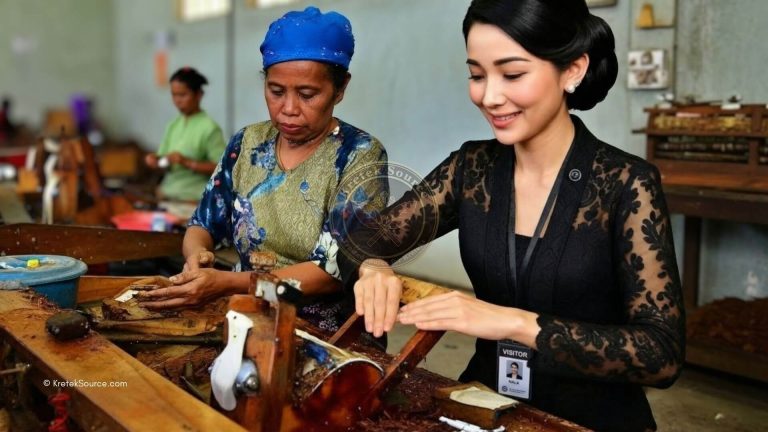
The foundational chapters of filter kretek history began in the late 1960s and early 1970s when Indonesian manufacturers faced a critical crossroads. Before this era, the market was dominated by Sigaret Kretek Tangan (SKT), or hand-rolled clove cigarettes, which were valued for their raw intensity and artisanal charm. However, the introduction of Sigaret Kretek Mesin (SKM) marked a pivotal moment in filter kretek history as companies sought to standardize production. This shift allowed for the mass production of cigarettes that featured a uniform burn rate and a standardized blend of tobacco and cloves. By incorporating a filter, manufacturers were able to offer a product that appealed to the burgeoning middle class who viewed the filter as a symbol of progress. Consequently, the filter kretek history became inextricably linked with Indonesia’s rapid industrialization and the desire to compete with international white cigarette brands. This era of Indonesian tobacco evolution saw the rise of massive factories that could churn out millions of sticks daily, forever changing the SKM vs SKT market dynamic.

Technical Tensions: The Machine vs. The Hand
The transition into the filter kretek history was not without its technical hurdles, particularly regarding the volatile nature of clove oil. Engineers in the clove cigarette manufacturing sector struggled to design filters that could withstand the high concentrations of eugenol without becoming clogged or losing the signature ‘crackling’ sound. This technical challenge is a significant part of filter kretek history, as it required the development of specialized high-porosity papers and specific acetate densities. Many purists argued that the filter muted the soul of the kretek, leading to heated debates between traditionalists and modernizers.
The transition from the rustic, hand-rolled klobot to the precision-engineered filter stick was not merely a change in production; it was a fundamental reimagining of Indonesian identity in the late 20th century. By introducing filtration to the volatile clove-tobacco blend, manufacturers effectively tamed a wild cultural artifact, making it palatable for the burgeoning middle class and the global stage, thereby cementing the filter kretek history as a cornerstone of industrial progress.
These debates forced brands to refine their recipes, ensuring that the filter kretek history remained grounded in the rich, spicy flavor profiles that consumers expected. Even today, the evaluation of a premium kretek often hinges on how well the filter balances smoothness with the traditional bite of the cloves.
The Aromatic Core: Cloves and Market Dynamics
At the heart of filter kretek history lies the essential ingredient: the clove, or Syzygium aromaticum, which provides the distinctive aroma and anesthetic properties. The integration of cloves into a filtered format required a deep understanding of cloves and their chemical interaction with tobacco. During this phase of filter kretek history, brands like Marlboro Filter Black emerged to bridge the gap between international branding and local taste preferences. Other iconic products, such as Djarum Black Clove Cigarettes, utilized advanced filtration to create a sleek, modern aesthetic that appealed to a global audience. The luxury segment also saw innovation with products like Djarum D: The Gold-Wrapped Luxury, which showcased how the filter kretek history could accommodate high-end consumer demands. These developments ensured that the spicy heritage of Indonesia was preserved even as the delivery mechanism became increasingly sophisticated. The success of these brands solidified the filter kretek history as a dominant force in both domestic and international tobacco markets.
Economic Shifts and the Urban Smoker
The economic impact of filter kretek history cannot be overstated, as it shifted the wealth of the tobacco industry toward large-scale mechanical operations. This transition favored companies that could afford the massive capital investment required for clove cigarette manufacturing at scale. As the filter kretek history progressed, the SKM vs SKT market saw a steady decline in the market share of hand-rolled varieties in urban centers. Urban smokers began to prefer the consistency and perceived ‘cleanliness’ of filtered sticks, which fit more seamlessly into the fast-paced lifestyle of Jakarta and Surabaya. This shift in consumer behavior is a central pillar of filter kretek history, reflecting broader changes in Indonesian social hierarchy and disposable income. The filter became a marker of sophistication, distinguishing the modern salaryman from the rural laborer who still preferred the unfiltered klobot. Thus, the filter kretek history serves as a mirror to the sociological shifts that defined Indonesia’s New Order era and beyond.
Modern Relevance in a Globalized Era
In the contemporary landscape, the filter kretek history continues to evolve as brands face new regulatory challenges and shifting health trends. Modern filtration technology has become even more advanced, with some brands experimenting with flavored capsules and recessed filters to maintain consumer interest. Understanding the filter kretek history is essential for anyone looking to grasp the nuances of the current Indonesian tobacco evolution. For those interested in the technical aspects of the blend, exploring the Chemistry of Eugenol provides deep insight into why these cigarettes behave the way they do. The filter kretek history is not a finished book but an ongoing narrative of adaptation and survival in a globalized economy. As international regulations tighten, the lessons learned during the early filter kretek history remain more relevant than ever for manufacturers seeking to preserve their heritage. Today’s market continues to see a complex interplay between traditional flavors and cutting-edge delivery systems, ensuring the legacy of the clove remains vibrant.
The filter kretek history is a testament to the resilience and adaptability of Indonesian culture in the face of global industrial pressure. What began as a desperate attempt to modernize a traditional remedy has blossomed into a multi-billion dollar industry that defines the nation’s economic output. By tracing the filter kretek history from the first machine-made trials to the sleek, premium products of today, we see a story of successful hybridity. The tension between the raw power of the clove and the civilizing influence of the filter has been resolved through decades of engineering and marketing brilliance. As we reflect on the filter kretek history, it becomes clear that the filter did not destroy the soul of the kretek; rather, it provided the vehicle through which that soul could travel to every corner of the globe. Ultimately, the filter kretek history reminds us that even the most deeply rooted traditions must evolve to survive, creating something entirely new yet hauntingly familiar in the process.