Best Rokok Kretek Indonesia: The Ultimate Guide to History and Brands
Have you ever wondered why the distinct sound of crackling cloves is considered the heartbeat of Indonesian social life? The aromatic scent of burning tobacco mixed with spicy cloves is not just a fragrance; it is a cultural identifier that spans across thousands of islands. This historical tension between traditional hand-rolled heritage and modern machine-made efficiency creates a unique landscape in the global tobacco market. While white cigarettes dominate Western markets, the Indonesian palate remains fiercely loyal to its indigenous invention. Understanding this phenomenon requires a deep dive into the botanical and social structures that support the massive industry. We are about to embark on a journey through the smoky trails of a tradition that has survived colonial eras and economic shifts to remain the most beloved pastime of a nation.
The Evolution of Rokok Kretek Indonesia
The history of rokok kretek Indonesia begins in the late 19th century in the town of Kudus, Central Java, where a man named Haji Jamhari sought a remedy for his chest pains. By rubbing clove oil on his chest and later adding dried clove buds to his tobacco, he discovered that the smoke provided a soothing effect. This accidental discovery gave birth to the name kretek, derived from the onomatopoeic crackling sound of burning clove buds. What started as a medicinal home industry rapidly transformed into a significant economic pillar for the region. The early years saw small-scale production where workers rolled each cigarette by hand, using corn husk wrappers before the adoption of paper.

As demand grew, the industry moved from backroom operations to large factories that defined the urban landscape of Javanese cities. The cultural significance of these cigarettes is deeply intertwined with the Indonesian identity, representing a blend of local agriculture and communal spirit. Even today, the legacy of Kudus as the center of the clove world remains undisputed, housing some of the largest manufacturers in the world. The transition from purely medicinal use to social consumption happened over several decades, mirroring the country’s own path toward modernization and industrialization.
Technological advancements eventually introduced machine-rolled variants, which allowed for mass production and consistency in flavor. However, the soul of the product remains the sauce, a secret blend of spices and extracts that each manufacturer guards with extreme secrecy. This aromatic profile is what distinguishes Indonesian tobacco from any other variety on earth, creating a sensory experience that is both bold and comforting. The longevity of this industry is a testament to the deep-seated preference for spicy, full-bodied smoke over the relatively bland taste of conventional cigarettes found in other countries.
Critical Examination of the Clove Industry Landscape
Despite its immense popularity, the industry faces constant scrutiny from global health organizations and shifting economic policies. There is a persistent debate regarding the high tar and nicotine content found in traditional blends compared to international standards. However, proponents argue that the cultural value and the massive employment generated by the sector are essential to Indonesia’s socio-economic stability. The tension between public health initiatives and the preservation of a national heritage creates a complex regulatory environment. Many critics point out the aggressive marketing strategies used in the past, while the industry responds by emphasizing its transition toward lower-tar options.

Economic factors also play a critical role, as the tobacco excise tax is one of the largest contributors to the national budget. This creates a political paradox where the government must balance health concerns with the necessity of tax revenue. Furthermore, the global perception of cloves as a flavored additive often clashes with the Indonesian view of cloves as a fundamental, traditional ingredient. According to Britannica, the historical use of tobacco and spice mixtures has long roots in Southeast Asian trade routes. This historical context provides a broader perspective on why these products remain so deeply entrenched in local habits despite international pressure for change.
Innovation has led to the rise of LTLN or Low Tar Low Nicotine cigarettes, which aim to provide a smoother experience for health-conscious urban smokers. This shift has created a divide between the older generation who prefer the heavy, unfiltered experience and the younger demographic seeking a lighter touch. This evolution is not merely about health but also about lifestyle preferences and the desire for a more sophisticated, less pungent smoke. As the market continues to diversify, the traditional full-flavor sticks must find a way to coexist with modern capsule-based and slim variants that are currently flooding the market.
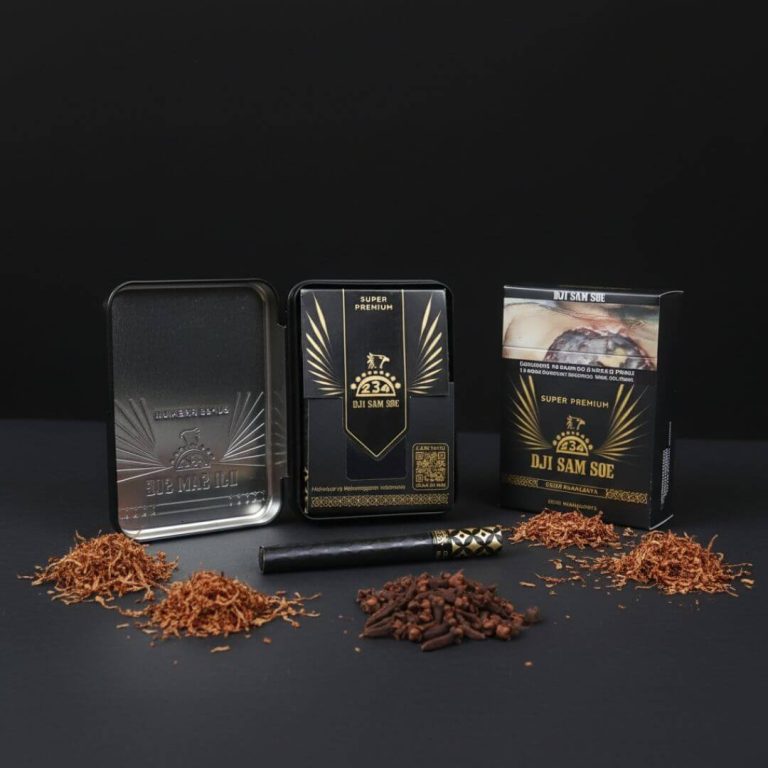
The unique texture of Indonesian kretek features a blend of premium tobacco and hand-crushed clove buds.
Comparing Major Types: SKM vs SKT
When discussing the variety of products available, one must distinguish between Sigaret Kretek Mesin (SKM) and Sigaret Kretek Tangan (SKT). The machine-rolled SKM variants like Djarum Super offer a consistent burn and a modern filter, making them the choice for daily commuters and office workers. These cigarettes are known for their sweet sauces and intense aromatic delivery. On the other hand, the hand-rolled SKT variants represent the artisanal roots of the industry, often featuring higher tar levels and a much slower burn time. These are typically unfiltered and offer a raw, powerful tobacco experience that is highly valued by seasoned smokers.
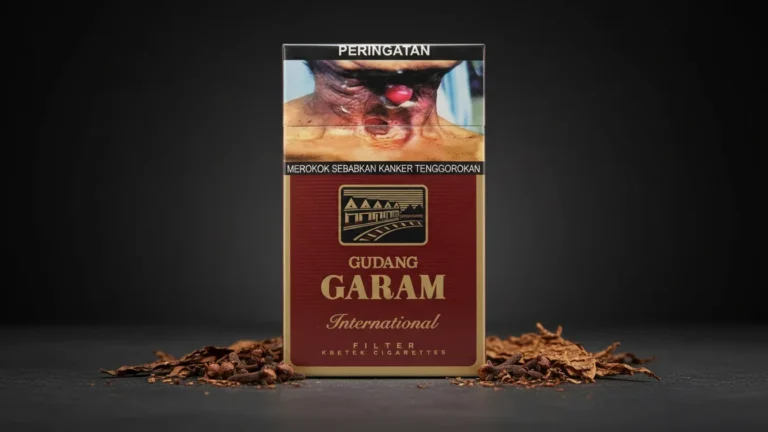
Another significant player in the market is the Gudang Garam International, which bridges the gap between traditional robust flavor and modern filter convenience. This specific brand is often associated with a masculine, hardworking persona, reflecting the cultural values of the industrial era. The choice between these different types is often a matter of personal identity and situational context. For instance, a festive occasion might call for a premium hand-rolled stick, while a quick break during work is better suited for a machine-rolled filtered cigarette.
Furthermore, the mild category has seen explosive growth with products like Sampoerna A Mild 16 dominating the urban centers. These cigarettes use advanced filter technology to reduce the harshness of the smoke without completely sacrificing the clove character. The technological gap between a traditional unfiltered stick and a modern mild cigarette is vast, yet they both share the same DNA of Indonesian cloves. This spectrum of strength and flavor ensures that there is a specific type of kretek for every social class and preference in the archipelago.
The Technical Art of the Clove Sauce
The true secret of any great Indonesian cigarette lies in the ‘saus’ or flavoring liquid applied during the manufacturing process. This sauce is a complex concoction that can contain over a hundred different ingredients, including fruit extracts, spices, honey, and even traditional herbs. It is this chemical artistry that gives each brand its signature profile, such as the fruity sweetness of Djarum or the earthy, savory notes of Gudang Garam. The development of these recipes is a highly specialized skill, often passed down through generations within the families that own these tobacco empires.
The interaction between the burning cloves and the tobacco creates eugenol, a compound that has a mild numbing effect on the throat. This is why many smokers find kreteks easier to inhale despite their high tar content compared to white cigarettes. The chemistry of this interaction is a subject of fascination for tobacco researchers worldwide. The balance must be perfect; too much clove can make the cigarette too bitter, while too little will fail to produce that iconic crackling sound and spicy aroma. Each factory maintains a strict quality control process to ensure that the moisture levels and clove-to-tobacco ratios remain consistent across millions of units.
From an economic standpoint, the production of these sauces supports secondary industries like clove farming and essential oil extraction. Thousands of small-scale farmers across Indonesia rely on the demand from cigarette manufacturers to sustain their livelihoods. This deep economic integration means that a change in the recipe or a shift in consumer preference can have ripple effects throughout the agricultural sector. The technical complexity of the product is therefore matched by the complexity of its supply chain, making the humble cigarette a centerpiece of Indonesian trade and industry.
Modern Relevance and the Future of Kretek
As we look toward the future, the industry is adapting to a more globalized and health-conscious world. The rise of export-quality brands and the introduction of herbal, nicotine-free alternatives show a willingness to innovate. For those interested in the broader context of these products, The Ultimate Guide to Indonesian Clove Cigarettes provides an excellent starting point for understanding how these items are perceived on the international stage. The digital age has also allowed for niche markets to flourish, where enthusiasts from around the world can discover the unique sensations of clove-infused tobacco.
Practical implications for the modern smoker include the variety of choices ranging from super-slim cigarettes to flavor-capsule technology. The industry is no longer just about the traditional clove scent; it now includes notes of mint, coffee, and tropical fruits. This diversification is a survival strategy in a market where consumers are increasingly seeking novelty and customization. However, the core appeal remains the same: a uniquely Indonesian experience that cannot be replicated by any other tobacco product. Whether it is a luxury filtered stick or a budget-friendly hand-rolled cigarette, the essence of the clove remains the defining characteristic.
Furthermore, the cultural ritual of sharing a smoke remains a vital part of social cohesion in many Indonesian communities. The ‘nongkrong’ culture, which involves long hours of sitting and talking with friends, is almost always accompanied by the scent of kretek. This social function ensures that despite changing regulations and global trends, the product will likely remain a staple of Indonesian life for generations to come. The challenge for manufacturers will be to maintain this cultural connection while navigating the increasingly strict global standards for tobacco production and marketing.
In conclusion, rokok kretek Indonesia is far more than just a tobacco product; it is a complex blend of history, chemistry, and social fabric. From its humble beginnings as a medicinal remedy in Kudus to its current status as a multibillion-dollar industry, the journey of the clove cigarette mirrors the development of the Indonesian nation. While the conflict between tradition and health regulation continues, the innovation within the sector ensures its ongoing relevance. We have explored the technical mastery behind the clove sauces, the economic impact on rural farmers, and the cultural rituals that define the smoking experience. Ultimately, the crackling sound of a burning kretek serves as a reminder of Indonesia’s unique ability to blend the gifts of its volcanic soil into a globally recognized cultural icon. As the industry evolves, it remains a testament to the enduring power of local heritage in a rapidly changing world.