
The Perfect Anatomy of a Bud: Why Timing Is Everything in Clove Harvesting
What if the difference between a world-class aromatic spice and a useless flower was a matter of a single day? In the world of Syzygium aromaticum, the Anatomy of a Bud dictates a high-stakes race against time that determines the economic and sensory value of the entire harvest. For the uninitiated, a clove is simply a dried spice, but to the Indonesian farmer, it is a biological ticking clock. If picked too early, the bud lacks the depth of flavor required; if picked too late, it blooms into a flower and loses its concentrated essential oils forever. This delicate balance creates a seasonal tension in the spice forests of Indonesia, where families must decide the exact moment to scale the tall trees and claim their prize. Understanding the physical structure of the bud reveals the incredible biological engineering that makes cloves one of the most potent substances in the natural world.

The Biological Structure of Scent
The Anatomy of a Bud in a clove tree is a marvel of botanical concentration. What we call the ‘clove’ is actually the immature flower bud, consisting of a long, tapered ovary (the stem) and four tiny, overlapping petals that form a rounded head. Within this structure lies the highest density of oil glands found anywhere in the plant kingdom. These glands are specialized cells that synthesize and store eugenol, the chemical responsible for the clove’s numbing heat and intense aroma. The bud acts as a protective vessel, shielding these volatile oils from the environment until the plant is ready to reproduce.
As the bud develops, it changes color from a pale green to a vibrant pinkish-red. This color change is the primary signal for the harvester. Internally, the concentration of eugenol peaks just as the bud reaches its full size but before the petals begin to unfurl. Once the bud ‘opens’ and becomes a flower, the plant’s energy shifts toward reproduction, and the essential oils are rapidly depleted or changed in their chemical composition. Therefore, the goal of the harvest is to capture the plant at its chemical zenith, effectively freezing its development at the moment of maximum aromatic potential.
Technically, the bud is designed to attract pollinators while deterring herbivores with its intense chemical payload. The woody exterior of the dried clove is actually the hypanthium, a toughened tissue that protects the delicate reproductive organs inside. This toughness is what allows the clove to withstand the drying process and retain its shape. When you look closely at a high-quality clove, you can often see the tiny ‘oil spots’ on the surface, which are the external manifestations of the packed glands within. This intricate architecture is the foundation of the spice’s legendary power.
The Harvest Conflict: Timing vs Yield
The primary controversy in the clove industry revolves around the Anatomy of a Bud and the ‘harvest window.’ Farmers are often faced with a difficult choice: pick the buds now when they are at peak oil concentration but smaller in size, or wait a few more days for them to grow larger and heavier. Since cloves are sold by weight, the temptation to wait is strong. However, waiting too long risks the bud ‘flowering,’ which drastically reduces its market value as an aromatic spice. This creates a psychological and economic tension during the harvest season, as neighbors watch each other’s trees to see who will blink first.
There is also a misconception among some buyers that ‘bigger is always better’ when it comes to cloves. In reality, a large bud that has started to loosen its petals is often inferior to a smaller, tightly closed bud. The tight ‘head’ of the clove is a sign that the essential oils are still trapped and protected. Once the head opens, the eugenol begins to oxidize and dissipate. This conflict between volume and quality is what separates premium spice traders from bulk commodity dealers. Those who prioritize the anatomy over the weight are the ones who supply the world’s most demanding fragrance and tobacco houses.
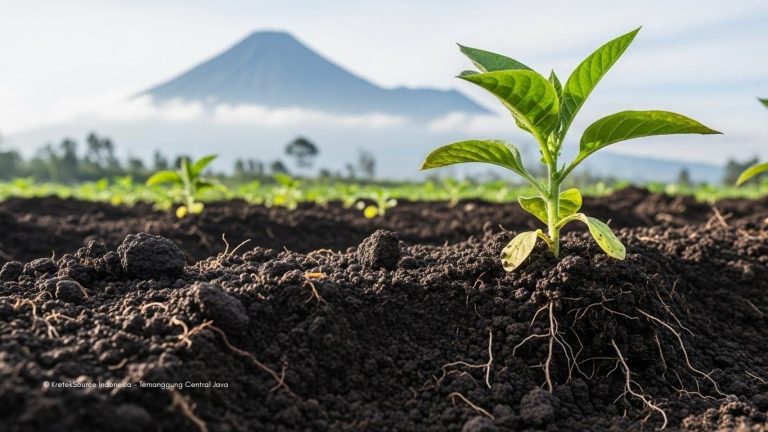
Evaluation of a harvest involves checking the ‘tightness’ of the buds and the uniformity of their color. A mismatched harvest, containing both overripe flowers and underripe green buds, results in a low-grade oil that is sharp and unpleasant. The mastery of the Indonesian farmer lies in their ability to scan a tree and determine the average maturity of thousands of buds at once. This isn’t just labor; it is a highly skilled form of biological assessment that has been passed down through generations of families living on the volcanic slopes.
The Anatomy of a Bud is most potent when the head is tightly closed and the color turns reddish-pink.
The Role of Anatomy in Kretek Quality
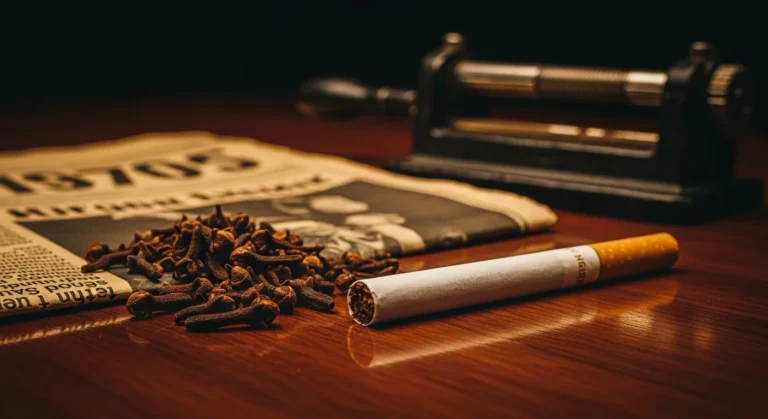
In the production of high-end kreteks, the physical integrity of the clove bud is paramount. When the buds are ground, the ratio of the ‘head’ (petals) to the ‘stem’ (ovary) must be carefully balanced. The head contains the most delicate aromatic notes, while the stem provides the majority of the oil and the woody structure. A perfect example of a product that respects this balance is the Dji Sam Soe 234, which has maintained its legendary status by ensuring the cloves used in its blend are harvested at the precise anatomical peak.
If the harvest timing is off, the physical properties of the clove change, which affects how it burns. Buds that are harvested too late are more fibrous and have less oil, leading to a smoke that is harsh and lacks the characteristic ‘crackle.’ Conversely, buds harvested at the perfect time provide a smooth, consistent release of eugenol, which acts as a natural bronchodilator and provides the cooling sensation associated with the best Indonesian cigarettes. The ‘anatomy’ of the smoke itself is thus a direct reflection of the anatomy of the bud from which it came.
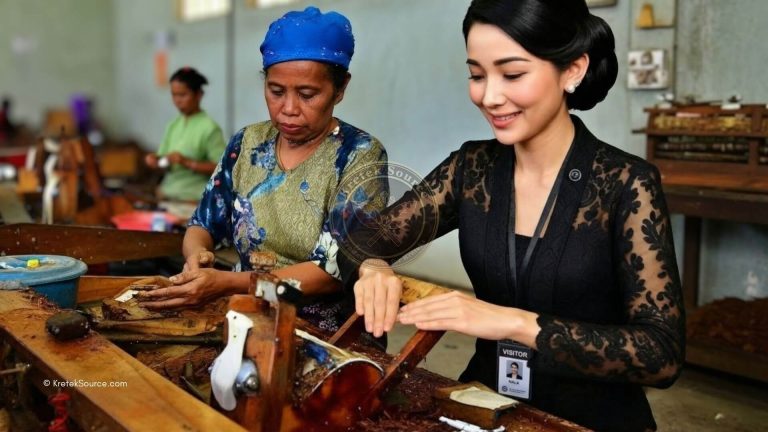
Furthermore, the processing of the buds after harvest must respect their delicate structure. If the buds are crushed or bruised before they are dried, the oil glands rupture, and the quality is lost. This is why hand-harvesting remains the standard in Indonesia; machines simply cannot match the gentle touch required to preserve the bud’s integrity. This human element is a critical part of the ‘art’ of the kretek, ensuring that the consumer receives the full benefit of the plant’s biological engineering.
Deep Analysis of Eugenol Concentration
Analyzing the chemical shifts within the Anatomy of a Bud reveals why the pre-bloom stage is so critical. During this phase, the plant produces a high amount of eugenyl acetate, a compound that adds a sweet, fruity top note to the spicy eugenol. As the bud matures into a flower, the levels of eugenyl acetate drop sharply, leaving the spice with a more medicinal and less complex aroma. This shift is particularly important for premium machine-rolled brands like Wismilak Diplomat, where a sophisticated flavor profile is essential to the brand identity.
From a technical standpoint, the concentration of eugenol can reach up to 15-20% of the bud’s total weight at peak maturity. This is an incredibly high concentration for any plant secondary metabolite. The oil is stored in lysigenous cavities, which are essentially ‘melting’ spaces created by the breakdown of cell walls. These cavities grow in size as the bud matures, reaching their maximum volume just before the flower opens. By harvesting at this exact moment, the farmer is effectively capturing a natural ‘oil tank’ at its fullest capacity.
This depth of understanding allows for the creation of consistent, high-quality products. By analyzing the batch-to-batch variation in eugenol levels, manufacturers can adjust their blends to ensure the signature taste remains the same year after year. This is the hallmark of brands like Gudang Garam International, which rely on a deep understanding of the raw material’s chemistry. The anatomy of the clove is not just a botanical curiosity; it is the blueprint for an entire industry’s success.
Modern Relevance and the Art of the Pick
In the modern era, the science of the harvest window has become even more precise with the use of mobile apps and sensors that can predict maturity based on weather patterns. However, the ‘Art of the Pick’ still largely rests with the experience of the local farmers. This human-centric approach is part of what makes the Indonesian spice trade so resilient. To learn more about the broader cultural impact of these practices, one can read The Ultimate Guide to Indonesian Clove Cigarettes, which covers the journey from the tree to the final product.
The importance of harvest timing is also a key theme in the Chemistry of Eugenol: The Science and History of Clove Oil. As the world moves toward more natural and plant-based medicines, the demand for high-eugenol cloves is increasing. The pharmaceutical industry requires a high degree of purity, which can only be achieved by starting with perfectly harvested buds. This ensures that the anatomy of the clove continues to be a subject of intense study for both traditionalists and modern scientists alike.
For a deeper look into the botanical classification, researchers can explore the scientific entry for cloves on Wikipedia. The ongoing relevance of this topic lies in the fact that we still cannot synthesize the complexity of a natural clove in a lab. The sun, the soil, and the perfect timing of a human hand remain the only ways to create this aromatic masterpiece. The anatomy of the bud is a gift of nature that requires our respect and our patience to truly appreciate.
The Anatomy of a Bud is the foundation upon which the entire clove industry is built. From the microscopic oil glands to the visible color changes on the tree, every aspect of the bud’s physical structure plays a role in the quality of the final spice. By understanding the critical importance of harvest timing, we can appreciate the immense skill and knowledge possessed by Indonesian spice farmers. This ‘race against time’ is a beautiful example of how humans must synchronize their lives with the rhythms of nature to produce something truly extraordinary. As long as we value the complex, warming aroma of the clove, the study of its anatomy will remain a vital and fascinating pursuit.



It’s fascinating how the difference of just a single day can make such a difference in the quality of the clove harvest. It really highlights the incredible balance of science, timing, and tradition that goes into producing this valuable spice.