Syzygium Aromaticum: The Volcanic Secret of Indonesian Cloves
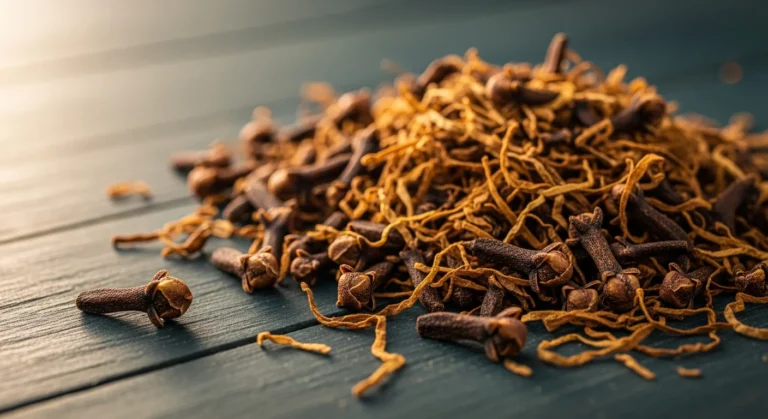
Syzygium Aromaticum, the botanical name for the clove tree, represents one of the most significant and historically sought-after plants in the global spice trade. For centuries, this evergreen tree has defined the economic and cultural landscape of the Indonesian archipelago, particularly the Maluku Islands. The quest for this aromatic flower bud drove early maritime exploration and shaped the modern world. Today, the biological unique properties of this species remain a point of fascination for botanists and connoisseurs alike. The specific requirements for its growth are incredibly narrow, making it a rare botanical gem that thrives only in very particular conditions. Understanding the relationship between this plant and its native environment is key to appreciating the depth of its character.

The Botanical Marvel of Syzygium Aromaticum
The clove tree, known scientifically as Syzygium Aromaticum, is a member of the Myrtaceae family, characterized by its glossy green leaves and dense clusters of crimson flowers. Unlike many other spice-bearing plants, the clove is actually the undried flower bud that must be harvested before it fully blooms. This requires precise timing and expert knowledge, passed down through generations of Indonesian farmers. The tree itself can live for over a hundred years, growing steadily into a pyramidal shape that can reach heights of fifteen meters. Its aromatic properties are concentrated in the buds, which contain high levels of essential oils that serve as a natural defense mechanism for the plant.
Historically, the distribution of Syzygium Aromaticum was extremely limited, confined to a small group of volcanic islands in eastern Indonesia. This geographic isolation contributed to the spice’s legendary status and immense value. The trees require a humid, tropical climate with a distinct wet and dry season to trigger the flowering process. Without these specific triggers, the tree may grow but will never produce the prized aromatic buds. This biological sensitivity is why the Indonesian climate, specifically the areas surrounding the equator, remains the global gold standard for clove production.
In the modern era, while the tree has been introduced to other tropical regions such as Zanzibar and Madagascar, the original Indonesian varieties are still considered superior in terms of oil content and aromatic complexity. This is largely due to the unique combination of high altitude, humidity, and the specific soil composition found in the archipelago. The botanical structure of the Indonesian clove is robust, designed to withstand the heavy tropical rains while soaking up the intense equatorial sun. Each bud is a powerhouse of flavor, containing a symphony of chemical compounds that define its spicy, sweet, and numbing characteristics.
Cultivation of Syzygium Aromaticum is a labor-intensive process that resists full mechanization. Because the buds grow at different rates even on the same branch, they must be hand-picked at exactly the right moment. If the flower opens, it loses most of its essential oil content, rendering it useless for the high-quality spice trade or essential oil extraction. This human element of the harvest adds a layer of cultural heritage to every clove produced, linking the botanical science of the plant to the traditional practices of the local communities that have tended these trees for a millennium.
The Volcanic Conflict: Why Geography Limits Growth
The primary challenge in cultivating Syzygium Aromaticum lies in its paradoxical need for both extreme drainage and high nutrient availability. This creates a conflict where most tropical soils, which are often depleted of minerals due to heavy rainfall, fail to support the tree’s complex needs. Only in areas with active or dormant volcanic activity does the soil provide the necessary mineral richness required for the tree to synthesize its high concentration of eugenol. This geological dependency explains why the plant cannot simply be grown in any tropical forest; it requires the literal lifeblood of the earth provided by volcanic eruptions.
Furthermore, the topography of volcanic slopes provides the natural incline necessary for water runoff. While the clove tree loves the high rainfall of the Indonesian tropics, it is highly susceptible to root rot if water is allowed to stagnate. The steep inclines of mountains like Mount Merapi or the slopes of Ternate ensure that water moves constantly, providing hydration without suffocation. This balance is incredibly difficult to replicate in flat, lowland plantations, leading to a constant struggle for growers who attempt to expand the plant’s range outside of its natural volcanic habitats.
Environmental stressors also play a role in the quality of the harvest. The tree thrives on the stress provided by the thin air at higher altitudes and the mineral-rich dust that occasionally blankets the leaves during volcanic venting. This ‘stress’ actually encourages the plant to produce more essential oils as a survival mechanism, which in turn increases the intensity of the aroma. This relationship between a violent geological environment and the production of a delicate spice is one of nature’s most fascinating ironies.
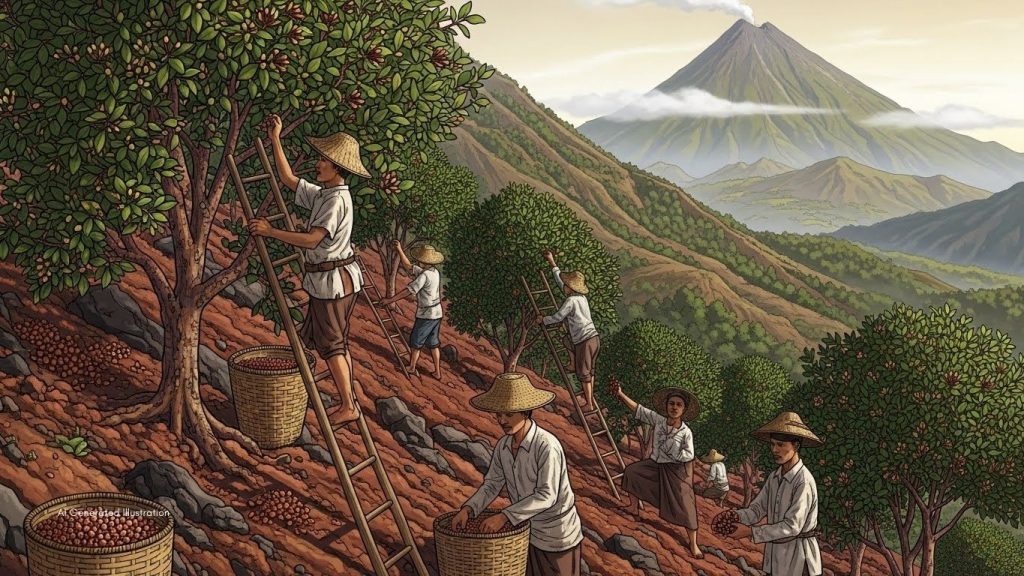
The dramatic landscape of Indonesia’s volcanic regions provides the perfect environment for clove trees.
The Integration of Volcanic Cloves into Kretek
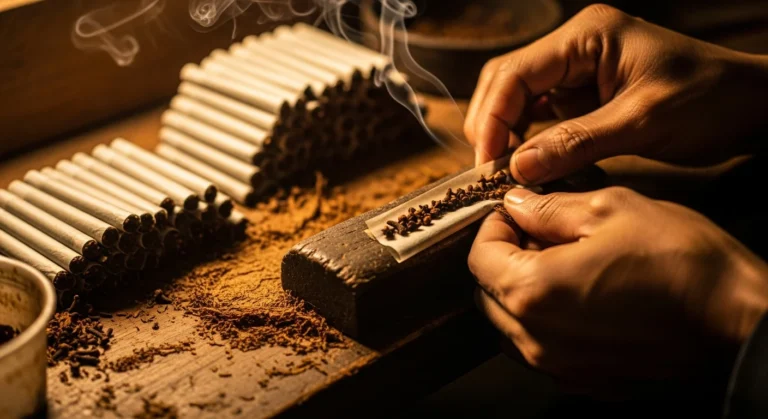
The superior quality of cloves grown on volcanic slopes is most evident when they are processed for the tobacco industry. In Indonesia, the majority of the national clove harvest is utilized in the production of kretek, or clove cigarettes. The high oil content of the volcanic Syzygium Aromaticum is what gives these products their signature crackle and intense, sweet aroma. When the dried buds are shredded and mixed with tobacco, the heat from the ember releases the eugenol, creating a sensory experience that is unique to the archipelago.
One of the most legendary examples of this craftsmanship is found in products like Djarum Super, which utilizes a masterful blend of top-grade tobaccos and these fine, oil-rich cloves. The interaction between the burning tobacco and the clove oil produces a smooth, numbing sensation on the palate, which is the hallmark of a premium machine-rolled kretek. This would not be possible with lower-quality cloves grown in nutrient-poor soils, as they lack the necessary chemical concentration to provide that consistent flavor profile.
The process of blending requires a deep understanding of how the volcanic soil influences the clove’s final moisture content and oil density. Master blenders often source their cloves from specific regions, such as Ambon or North Sulawesi, where the volcanic influence is strongest. By selecting only the finest Syzygium Aromaticum, they ensure that the final product maintains a robust character that can stand up to the strong, fermented tobaccos used in traditional Indonesian blends.
This synergy between the clove and the cigarette has become a cultural icon. The ‘clove-ness’ of a kretek is not just a flavor; it is a direct link to the Indonesian earth. Every time a consumer enjoys a premium kretek, they are tasting the result of millions of years of volcanic activity and centuries of botanical expertise. The volcanic clove is the soul of the Indonesian smoking tradition, providing a bridge between the wild nature of the islands and the refined pleasure of a well-crafted cigarette.
Scientific Analysis of Volcanic Adaptation
From a scientific perspective, the adaptation of Syzygium Aromaticum to volcanic slopes is a case study in specialized evolution. The volcanic soil, or Andisols, are rich in glass and minerals like phosphorus and potassium, which are easily absorbed by the deep roots of the clove tree. These minerals are vital for the synthesis of complex organic molecules, including the phenylpropanoids like eugenol that give the clove its scent. Research has shown that trees grown in these specific soils have a significantly higher metabolic rate than those grown in sedimentary or limestone-based soils.
Furthermore, the microclimates created by the altitude of volcanic slopes play a crucial role in the development of the bud’s anatomy. The cooler temperatures at 600 to 1000 meters above sea level slow down the maturation process of the bud. This slower growth allows for a greater accumulation of volatile compounds within the oil glands. If the buds grow too quickly in the heat of the lowlands, they often lack the depth of flavor and the high concentration of antiseptic properties that make them valuable.
Scientists also point to the role of the volcanic ‘tephra’the ash and rock fragments ejected by volcanoesas a natural fertilizer. This tephra is rich in trace elements that are often missing from standard fertilizers. As it breaks down into the soil, it provides a continuous supply of nutrition to the trees, ensuring they can produce high-quality harvests for decades. This self-sustaining system is part of why Indonesia remains the world’s most productive and high-quality region for Syzygium Aromaticum.
Understanding these scientific nuances allows for better conservation of the species. As climate change threatens traditional growing regions, scientists are looking at how to preserve the specific conditions found on volcanic slopes. Protecting these unique ecosystems is not just about preserving a spice; it is about maintaining a biological heritage that is tied to the very foundations of the earth’s geological movements.
Modern Relevance and Global Demand
In the 21st century, the demand for Syzygium Aromaticum has expanded far beyond the culinary and tobacco industries. The pharmaceutical and cosmetic sectors are increasingly interested in the high eugenol content found in Indonesian volcanic cloves. Eugenol is a powerful natural anesthetic and antiseptic, widely used in dentistry and aromatherapy. The purity and concentration of the oil derived from these specific trees make them highly desirable for medical-grade applications, where synthetic alternatives often fall short.
Despite the rise of synthetic flavorings, the global market for natural cloves continues to grow, driven by a consumer preference for authentic and sustainably sourced ingredients. To understand the full scope of this industry, one can explore The Ultimate Guide to Indonesian Clove Cigarettes, which provides a comprehensive look at how these botanical wonders are integrated into global commerce. The prestige of the ‘Indonesian Clove’ remains a powerful marketing tool, signifying a level of quality that competitors in other nations struggle to match.
Sustainability is also becoming a key focus for modern clove production. Because the trees are so dependent on their volcanic environment, protecting the health of the soil and the local forests is paramount. Many Indonesian cooperatives are now implementing organic farming practices that avoid heavy chemicals, relying instead on the natural fertility of the volcanic earth. This preserves the integrity of the Syzygium Aromaticum while ensuring that the industry remains viable for future generations of farmers.
As we look to the future, the volcanic slopes of Indonesia will continue to be the primary stage for this botanical drama. The world’s appetite for the unique sensory profile of the clove shows no signs of waning. Whether it is used in a traditional kretek, a gourmet dish, or a modern medicine, the essence of the volcanic clove remains a testament to the power of nature and the enduring legacy of the Spice Islands.
The story of Syzygium Aromaticum is inextricably linked to the volcanic heart of Indonesia. From the ancient trade routes to modern industrial applications, this small flower bud has exerted an influence far beyond its size. The unique combination of volcanic minerals, mountain drainage, and equatorial climate creates a botanical perfect storm that cannot be replicated anywhere else on the planet. While technology may advance, the fundamental biological needs of the clove tree remain unchanged, anchoring it to the slopes of the archipelago. By understanding the science and history behind this extraordinary plant, we gain a deeper appreciation for the rich cultural and sensory heritage it provides. The Indonesian clove is more than just a spice; it is a geological masterpiece, a product of the earth’s most violent forces transformed into a delicate and enduring aroma.