Chemistry of Eugenol: The Science and History of Clove Oil
The chemistry of eugenol is a fascinating subject that bridges the gap between ancient herbal wisdom and modern pharmaceutical science. Eugenol, the primary chemical constituent of clove oil, is a member of the allylbenzene class of chemical compounds. It is responsible for the distinct, spicy aroma of cloves and possesses a wide range of biological activities, from being a powerful anesthetic to a potent antioxidant. Historically, this single molecule was so valuable that it shaped the foreign policies of empires and fueled the Age of Discovery. Today, eugenol continues to be a vital component in dentistry, food preservation, and the fragrance industry. By understanding the molecular structure and properties of this compound, we gain insight into why the humble clove has remained a cornerstone of global trade and medicine for millennia.
Understanding the Complex Chemistry of Eugenol
At its core, the chemistry of eugenol centers on its molecular structure: 4-allyl-2-methoxyphenol. This structure includes a phenolic ring, which is the source of its antioxidant properties, and an allyl group that contributes to its reactivity and ability to interact with biological membranes. Eugenol is a clear to pale yellow oily liquid that is only slightly soluble in water but highly soluble in organic solvents. It is synthesized naturally by the clove tree (Syzygium aromaticum) as a secondary metabolite, primarily to serve as a defense against pests and fungal infections. The concentration of eugenol in high-quality clove oil can range from 70% to 90%, making it one of the most concentrated sources of a single aromatic compound in nature.
The functional groups of the eugenol molecule allow it to bind to various receptors in the human body. Most notably, it interacts with TRP (Transient Receptor Potential) channels, which are involved in the perception of pain and temperature. This is the scientific basis for eugenol’s long-standing use as a topical anesthetic. When applied to a localized area, such as a sore tooth, the molecule effectively numbs the nerves by modulating these ion channels. Furthermore, the phenolic hydroxyl group in eugenol is a powerful radical scavenger, meaning it can neutralize harmful free radicals, providing significant anti-inflammatory benefits.
Another interesting aspect of the chemistry of eugenol is its role as a natural preservative. Its antimicrobial properties are broad-spectrum, affecting a wide variety of bacteria and fungi. This occurs because the molecule can penetrate and disrupt the lipid bilayer of microbial cell membranes, leading to cell death. This property was well-known to ancient civilizations, who used cloves to preserve food long before the underlying chemistry was understood. In modern food science, eugenol is still studied as a natural alternative to synthetic preservatives, offering a safer and more aromatic option for extending the shelf life of various products.
The extraction of eugenol from cloves is typically achieved through steam distillation. This process exploits the volatile nature of the compound, allowing it to be evaporated and then condensed into a pure oil. The purity and yield of the eugenol depend heavily on the quality of the starting materialthe dried flower buds. Factors such as the soil quality where the cloves were grown and the timing of the harvest play a critical role in the final chemical profile of the oil. This underscores the importance of sourcing cloves from regions that provide the optimal environment for the tree’s metabolic processes.
The Eugenol Conflict: Natural vs Synthetic
In the modern chemical industry, a significant debate exists regarding the use of natural eugenol versus synthetic alternatives. While eugenol can be synthesized in a laboratory using petroleum-based precursors, the natural extract from Indonesian cloves remains the preferred choice for high-end applications. The conflict lies in the ‘impurity profile’ of the natural product. Natural clove oil contains trace amounts of other compounds like acetyleugenol and beta-caryophyllene, which act synergistically with eugenol to create a more complex and rounded aroma. Synthetic eugenol, while chemically pure, often lacks this aromatic depth, which is critical in the perfumery and tobacco industries.
From a medical perspective, there is also a discussion regarding the safety and efficacy of high concentrations of eugenol. While it is a natural compound, it is also quite potent and can cause irritation or allergic reactions in sensitive individuals. The challenge for modern science is to harness the anesthetic and antiseptic powers of eugenol while minimizing these side effects. This has led to the development of encapsulated eugenol delivery systems, which release the compound slowly over time, providing the benefits without the initial ‘burn’ that is characteristic of the pure oil.
Environmental concerns also play a role in this conflict. The cultivation of clove trees for natural eugenol extraction is a renewable and relatively low-impact agricultural practice. In contrast, the chemical synthesis of eugenol involves complex industrial processes that can have a larger carbon footprint. This has led many green chemistry advocates to push for a return to natural sourcing, emphasizing the importance of preserving the traditional clove-growing regions of Indonesia to ensure a steady supply of this vital molecule.

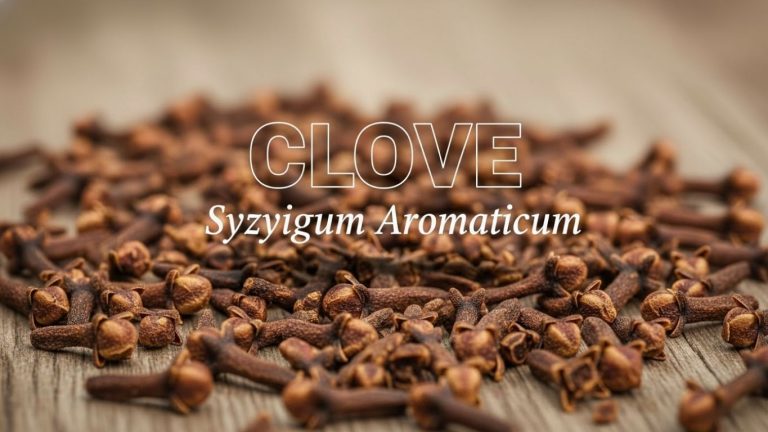
Eugenol is the primary chemical compound that gives cloves their unique properties.
Eugenol’s Vital Role in the Art of Kretek
The chemistry of eugenol is perhaps most celebrated in the world of Indonesian kretek. The distinctive crackle and the numbing sensation of a clove cigarette are direct results of eugenol being released during combustion. When the clove bits in a kretek are heated, the eugenol vaporizes and is inhaled along with the tobacco smoke. This not only provides the characteristic flavor but also acts as a mild bronchodilator and local anesthetic, which contributes to the smooth smoking experience that many enthusiasts prefer.
The legendary Dji Sam Soe 234 is a prime example of a product that relies on the natural high eugenol content of Indonesian cloves. As an unfiltered, hand-rolled masterpiece, it delivers a bold and earthy profile where the eugenol’s sweetness and spice are front and center. The high-quality cloves used in this blend ensure that the eugenol concentration is sufficient to provide that iconic numbing effect on the lips and throat, which has defined the Indonesian smoking tradition for generations.
Furthermore, eugenol interacts with the tobacco alkaloids in a way that modifies the overall sensory perception of the smoke. It can mask the harshness of certain tobaccos while enhancing the perceived sweetness. This chemical synergy is why kretek is considered a distinct category of tobacco product. The balance must be precise; too little eugenol and the cigarette lacks character, too much and it can become overwhelming. Master blenders spend years learning how to work with the natural variability of clove oil to maintain a consistent eugenol delivery.
Beyond the sensory aspects, the eugenol in kretek also serves a functional purpose during storage. Because of its powerful antimicrobial properties, the eugenol helps protect the tobacco from mold and spoilage in the humid tropical climate of Indonesia. This natural preservative quality was essential in the days before climate-controlled storage and remains a benefit today, ensuring that the product reaches the consumer in optimal condition with its complex aroma intact.
Scientific Analysis of Eugenol’s Medical Potential
Modern pharmacology continues to explore the therapeutic potential of eugenol far beyond its traditional uses. Recent studies have investigated its potential as an anti-cancer agent, particularly in its ability to induce apoptosis (programmed cell death) in certain types of cancer cells. While these studies are still largely in the laboratory phase, the chemical reactivity of eugenol makes it a promising lead compound for new drug development. Its ability to cross biological barriers and interact with multiple cellular targets is a focus of ongoing research.
In dentistry, the chemistry of eugenol remains a gold standard. Zinc oxide eugenol (ZOE) is a common dental material used for temporary fillings and as a base under other restorative materials. The eugenol in the mixture provides a sedative effect on the dental pulp, helping to soothe irritated nerves after a procedure. Despite the advent of many new synthetic resins, ZOE remains widely used because of its unique combination of biocompatibility and anesthetic properties, which are difficult to replicate with other chemicals.
Research has also highlighted eugenol’s role in neuroprotection. Some animal studies suggest that eugenol may help protect brain cells from oxidative stress and inflammation, which are key factors in neurodegenerative diseases like Alzheimer’s and Parkinson’s. While more clinical trials are needed to confirm these effects in humans, the initial findings add another layer to the scientific importance of this molecule. The chemical simplicity of eugenol belies a remarkably versatile biological profile.
Finally, the study of eugenol-based polymers is an emerging field in materials science. Researchers are looking at ways to incorporate eugenol into bio-based plastics and coatings. These materials could inherit the antimicrobial properties of eugenol, making them ideal for use in medical devices or food packaging. This highlights how the chemistry of eugenol is moving from traditional spice and medicine into the forefront of sustainable industrial technology.
Modern Relevance and the Future of Clove Oil
The future of eugenol is bright, as the global trend toward natural and plant-based products continues to grow. From high-end perfumes that use clove oil as a base note to eco-friendly pesticides that leverage its natural toxicity to insects, eugenol is more relevant than ever. The Indonesian industry remains the primary supplier for this global demand, and the country is investing in more efficient and sustainable distillation techniques to ensure it stays competitive. To understand the cultural weight behind this industry, one can explore The Authentic Art of the Indonesian Kretek, which details the heritage and craftsmanship that eugenol helps support.
There is also a growing movement toward ‘eugenol certification,’ where the origin and purity of the oil are verified for pharmaceutical and food-grade use. This ensures that the eugenol is free from contaminants and has been harvested in a way that supports local Indonesian communities. As the ‘clean label’ movement gains traction, having a transparent supply chain for natural eugenol will be a significant advantage for manufacturers. This molecule is no longer just a spice; it is a high-tech commodity with a deep history.
In the fragrance world, eugenol is a critical component of many classic and modern scents. It provides the ‘warmth’ and ‘depth’ that define oriental and spicy fragrance families. Perfumers value natural eugenol for its ability to anchor lighter, more volatile citrus or floral notes, creating a perfume that lingers on the skin. This use of eugenol as a fixative is a perfect example of how chemical properties can be used to create aesthetic and emotional value.
As we look ahead, the chemistry of eugenol will continue to provide new opportunities for innovation. Whether it is being used to develop safer medicines, more sustainable plastics, or more evocative fragrances, the molecule at the heart of the Indonesian clove is a testament to the enduring power of nature’s pharmacy. The journey from a volcanic slope in Indonesia to a cutting-edge laboratory is a long one, but it is a journey driven by the unique and powerful properties of a single, remarkable chemical compound.
The chemistry of eugenol is a remarkable story of how a single molecule can influence medicine, history, and industry. From its origins in the volcanic soil of Indonesia to its essential role in modern dentistry and high-end perfumery, eugenol has proven to be an indispensable tool for humanity. Its complex biological interactions provide us with pain relief and protection, while its unique aroma has become a cultural icon through the medium of the Indonesian kretek. As science continues to uncover new applications for this versatile compound, the importance of the clove tree and the land that sustains it only grows. Eugenol is a bridge between the ancient and the modern, a natural chemical marvel that continues to inspire and serve us in a multitude of ways. Its legacy is as enduring and as pungent as the clove itself.